How Physical Therapy for Lymphedema Works: A Patient’s Guide
In this article:
Living with lymphedema can be challenging, especially when swelling, heaviness and discomfort interfere with your normal daily activities. Physical therapy for lymphedema uses specialized treatment techniques to help you manage these symptoms and maintain your quality of life. Understanding how this treatment approach works can support you in taking the next step toward feeling better and staying active.
In this article, we’ll take a closer look at lymphedema and its symptoms, explore how physical therapy for lymphedema works and consider its benefits.
If you’re seeking relief from lymphedema symptoms, we encourage you to contact us to schedule an appointment. Our expert physical therapists at The Bone and Joint Surgery Clinic provide effective treatment for lymphedema to help you manage symptoms, restore mobility and improve your quality of life.
What is Lymphedema?
Lymphedema is a condition that causes swelling due to excess lymph fluid that accumulates in the body’s tissues because the lymphatic system cannot drain it properly. It most commonly affects the arms and legs, though it can sometimes develop in other areas.
The lymphatic system is made up of vessels, tissues and lymph nodes that collect excess fluid and waste products from your body’s tissues, which it then returns to your bloodstream to help maintain the body’s fluid balance. When the lymphatic system becomes damaged or blocked, fluid can build up in the tissues and create swelling.
There are two types of lymphedema:
- Primary lymphedema: This is a relatively rare inherited condition caused by abnormalities in the way the lymphatic system develops.
- Secondary lymphedema: This type of lymphedema develops a result of lymphatic system damage caused by surgery, cancer treatment, radiation therapy, physical injuries or infections.
While there is no cure for lymphedema, proper treatment can help manage swelling and other symptoms and prevent complications.
What Are the Symptoms of Lymphedema?
While swelling is the most common and recognizable symptom of lymphedema, other physical changes that may affect your comfort and mobility can also occur.
Lymphedema symptoms may include:
- Swelling in the arms, legs, hands, feet and sometimes other areas
- A feeling of heaviness, fullness or tightness in the affected limbs
- Arms or legs that appear different in size
- Aching, discomfort or pain
- Burning or itching sensations
- Limited flexibility or stiffness around your joints
- Skin that appears puffy or feels tight, thickened or harder than usual
- More tightly fitting clothing, shoes, watches or jewelry
Because muscle knots and lymphedema may occur together and can sometimes have similar symptoms, symptom evaluation is essential.
In most cases, lymphedema symptoms develop gradually and become more noticeable as fluid collects in the tissues. Sometimes more sudden changes can occur, usually when triggered by an injury, trauma or an infection in the affected area.
It’s important to seek proper treatment because unmanaged lymphedema can lead to skin damage, infections and other complications.
What Rehab Methods Are Used in Lymphedema Physical Therapy?
Physical therapy for lymphedema is a specialized rehabilitation protocol that combines manual techniques, compression, movement and patient education to address swelling, improve overall function and help you maintain treatment results.
The specific treatment you receive will depend on how severe your condition is and your overall health.
Components of rehab methods used in lymphedema physical therapy include:
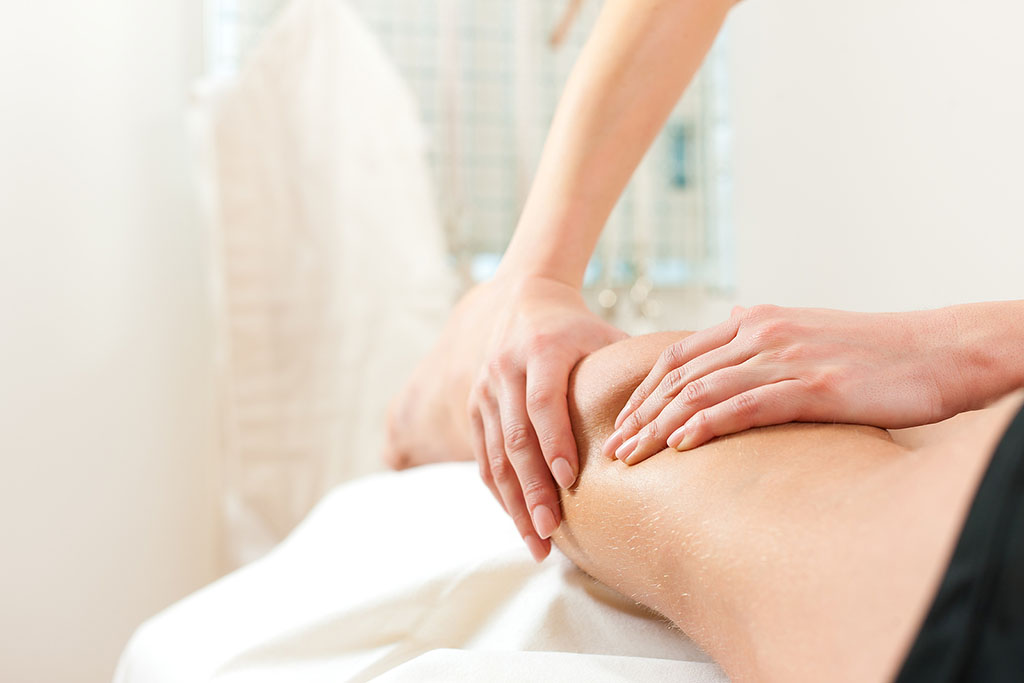
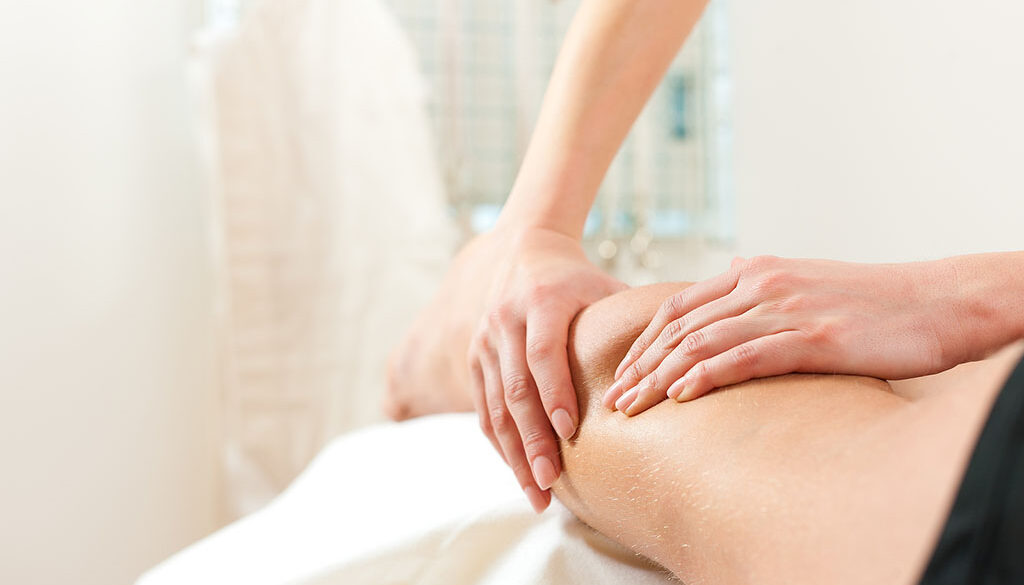
Manual Lymphatic Drainage (MLD)
- This specialized massage technique uses gentle, controlled movements to encourage lymph fluid to move away from congested areas and toward areas where it can drain more effectively.
- We may also teach you techniques you can use at home as part of your ongoing care routine.
Compression Therapy
- Compression therapy uses specialized bandages, sleeves or fitted garments to apply controlled pressure to affected areas.
- This technique helps prevent additional fluid buildup in your tissues and supports lymph fluid movement.
- We can show you how to use these garments for long-term management.
Therapeutic Exercise
- Gentle, repetitive movements and muscle contractions help stimulate lymphatic circulation and fluid movement.
- We can create a personalized exercise program based on your physical abilities and treatment needs to help improve your strength, flexibility and mobility.
Skin Care Education
- Proper skin care is essential to help prevent dryness, cracking, wounds and infections.
- We’ll provide guidance on effective ways to keep affected areas clean, moisturized and protected from injuries.
Your treatment will usually involve an initial phase focused on reducing swelling, followed by a maintenance phase in which you’ll manage symptoms at home. The maintenance phase includes continuing with recommended exercises, skin care practices and compression.
Though there is no cure for lymphedema, appropriate treatment can help reduce swelling, relieve discomfort and prevent more serious complications.
What Are the Benefits of Physical Therapy for Lymphedema?
Physical therapy treatment for lymphedema, when paired with appropriate self-care, can help you experience several practical improvements.
These benefits may include:
- Reduced swelling and fluid buildup
- Mobility and flexibility improvements
- Decreased pressure, aching and discomfort in affected areas
- Reduced risk of complications, including skin damage or infections
- Better long-term symptom management
Physical therapy for lymphedema can be highly effective in managing these symptoms, reducing discomfort and improving your overall quality of life.
Find Relief from Lymphedema Symptoms at The Bone and Joint Surgery Clinic
Lymphedema doesn’t have to prevent you from living an active, fulfilling life. Early intervention, appropriate treatment and ongoing care from our expert physical therapists at The Bone and Joint Surgery Clinic can help you successfully manage your symptoms and improve your quality of life.
We’ll help you explore treatment options tailored to your specific needs and goals so you can find relief from discomfort and keep doing the things you love.
We invite you to contact us today to schedule an appointment.
Key Takeaways
- Lymphedema occurs when the lymphatic system cannot properly drain excess fluid, causing swelling in the body’s tissues, most commonly in the arms and legs.
- Common symptoms include swelling, heaviness, tightness, aching, discomfort, skin changes and limited joint mobility.
- Although there is no cure for lymphedema, early treatment can help manage symptoms, reduce swelling and prevent complications.
- Physical therapy for lymphedema combines manual lymphatic drainage, compression therapy, therapeutic exercise and skin care education to improve fluid movement and reduce swelling.
- Lymphedema physical therapy treatment typically includes an initial phase focused on reducing swelling, followed by ongoing at-home care to maintain results.
- Physical therapy can help improve mobility and flexibility, relieve discomfort, reduce the risk of complications and enhance your overall quality of life.
- Working with the experienced physical therapists at The Bone and Joint Surgery Clinic can help you develop an effective long-term management plan tailored to your needs and treatment goals.
The content within this article and others on this website is only for educational purposes and should not be considered as medical advice. For any questions or concerns, please consult with your healthcare provider.
=====
Sources:
Cleveland Clinic, “Lymphedema,”
https://my.clevelandclinic.org/health/diseases/8353-lymphedema
Hopkins Medicine, “Treating Lymphedema,”
https://www.hopkinsmedicine.org/health/treatment-tests-and-therapies/treating-lymphedema
National Lymphedema Network, “Lymphedema Therapy,”