We Outline Our Safe, Effective Treatments for Runner’s Knee
In this article:
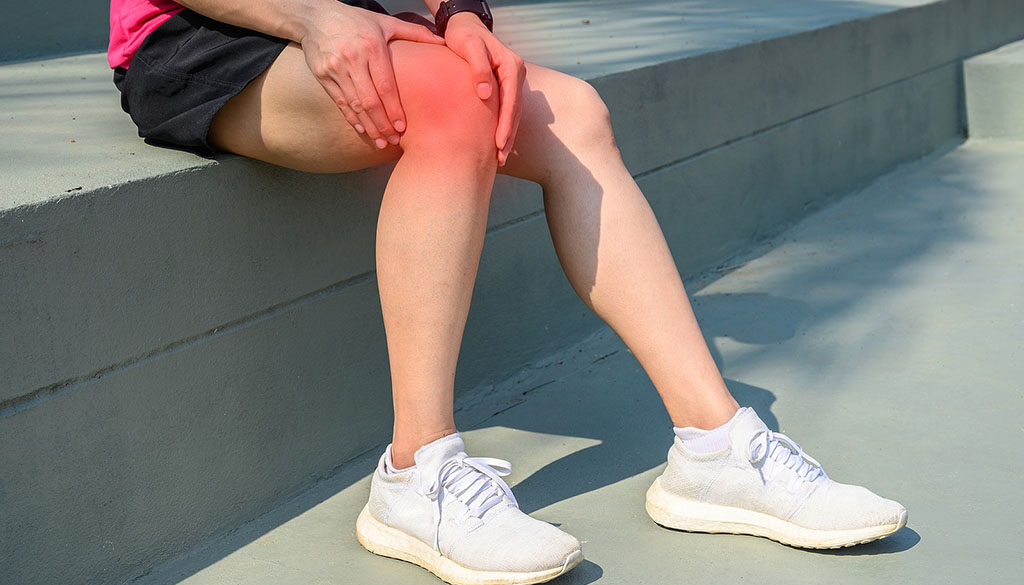
If you’re a runner who consistently experiences pain at the front of your knee, directly under, around or behind the kneecap, you may have a condition commonly known as runner’s knee. The good news is, there are effective treatments for runner’s knee that can help relieve this discomfort, improve your knee function and get you back on track.
In this article, we’ll explain causes of runner’s knee and what it feels like, review effective treatment approaches and explore typical recovery timelines.
Discomfort associated with runner’s knee can often be managed with conservative, at-home care. However, we encourage you to contact us for an appointment if knee pain interferes with your workouts or other daily activities. We’ll determine the cause of your pain and create a personalized treatment plan to help you find relief and get back to doing the things you love.
What Does Runner’s Knee Feel Like?
Runner’s knee, also known as patellofemoral pain syndrome, typically causes a dull, aching pain at the front of the knee, surrounding or directly behind the kneecap (patella).
The pain may begin as mild discomfort and worsen during activities in which you bend your knee while placing weight on it.
For example, pain may intensify:
- During or after running, especially when running uphill or downhill
- When climbing or descending stairs
- When squatting, kneeling, jumping or repeatedly bending the knee
- After prolonged sitting with your knees bent
Some people may also notice grinding, popping or cracking sounds when bending or straightening the knee, though these sounds don’t automatically point to runner’s knee in the absence of other symptoms.
Symptoms of runner’s knee can vary from person to person, with some people experiencing pain during exercise and others noticing discomfort during routine daily activities.
If you’re experiencing ongoing front-of-knee pain, we encourage you to reach out to us for an evaluation so we can determine whether runner’s knee or another condition is the underlying cause.
What Causes Runner’s Knee?
Runner’s knee does not typically have one isolated cause. Several factors may contribute to the condition, including:
- Repetitive stress and overuse
- Muscle weaknesses or imbalances in the quadriceps or hips
- Sudden increases or changes in your training regimen or workout frequency
- Certain movement patterns, such as overstriding, foot overpronation (feet rolling inward) or other movement mechanics that place extra stress on the kneecap
- Previous injuries involving the kneecap or surrounding structures
- Other trauma involving the kneecap, such as certain knee surgeries
While runner’s knee is common among athletes, you do not have to be a runner to experience it. The condition can also develop if you participate in other sports, spend long periods sitting with your knees bent or engage in any activity that repeatedly bends the knee or puts pressure on the joint.
What Are the Best Treatments for Runner’s Knee?
The right treatment for you will depend on your symptoms, activity level and the specific factors causing your knee pain.
Fortunately, non-surgical conservative treatments can resolve many cases of runner’s knee. Treatment typically focuses on reducing knee irritation and inflammation, relieving pain and improving knee function.
A combination of these strategies is often effective:
- Activity modification
- Pause or reduce activity temporarily or switch to low-impact exercises like swimming or cycling to give the knee time to heal.
- Gradually return to running as your symptoms improve.
- Running form improvement
-
- If movement patterns contribute to your symptoms, have your running form assessed by a qualified professional and make necessary adjustments.
- The R.I.C.E. method
-
- Use Rest, Ice, Compression and Elevation to help reduce pain and inflammation.
- Physical therapy
-
- Incorporate exercises to address muscle weakness, flexibility limitations and movement mechanics that contribute to knee pain with the guidance of a physical therapist or structured rehabilitation program.
- Medication
-
- Over-the-counter nonsteroidal anti-inflammatory drugs (NSAIDs), such as ibuprofen, can help manage pain during early recovery.
- Be sure to get approval from your doctor first, especially if you take other medications.
- Footwear, orthotics and other supportive devices
-
- Orthopedic or corrective footwear or insoles that provide arch support may help correct biomechanical issues such as overpronation.
- In some cases, knee bracing or taping may be recommended to help certain people.
The most effective treatment approach depends on the underlying cause and severity of your knee pain, which is why it’s essential to get a proper evaluation.
In some cases, other conditions such as jumper’s knee can be mistaken for runner’s knee because both are overuse injuries that cause pain in the front of the knee.
How Long Does It Take for Runner’s Knee to Heal?
How long it takes runner’s knee to heal varies depending on your specific circumstances, such as the severity of your symptoms, the underlying cause of your condition and how closely you follow your recommended treatment plan.
Potential recovery timelines:
- If you have a mild case, you may notice improvement a few weeks after you begin modifying your activities and following rehabilitation guidance.
- More persistent cases with ongoing symptoms and pain can take several weeks to a few months to improve.
These are general guidelines, not a definitive timeline.
It’s important to resume activity gradually as your symptoms improve and you begin to tolerate activity comfortably, rather than rely on a specific timeframe for recovery.
If your pain persists, worsens or interferes with your daily activities, we encourage you to schedule an evaluation with us. Severe pain, significant swelling or difficulty bearing weight requires prompt medical care.
Find Comprehensive Care and Treatment for Runner’s Knee at The Bone and Joint Surgery Clinic
Runner’s knee can not only disrupt your training routine, but it can also interfere with your day-to-day activities. Fortunately, many cases respond well to conservative, non-surgical treatment, especially if you recognize symptoms early and get the appropriate care.
If you’re experiencing persistent knee pain, we encourage you to schedule an evaluation with us. Our orthopedic specialists can identify the cause of your discomfort and create a personalized treatment plan to help you find relief.
Simply contact us today for an appointment.
Key Takeaways
- Runner’s knee, also known as patellofemoral pain syndrome, typically causes aching pain around or behind the kneecap that may worsen during running, stair climbing, squatting or prolonged sitting.
- Common causes of runner’s knee include repetitive stress, muscle weakness or imbalances, sudden changes in training intensity, improper movement mechanics and previous knee injuries.
- Many cases of runner’s knee respond well to conservative treatments, including activity modification, ice, physical therapy, anti-inflammatory medications and supportive footwear or orthotics.
- Improving running form and addressing underlying muscle weaknesses or biomechanical issues can help relieve symptoms and reduce stress on the knee.
- Recovery time varies depending on symptom severity and the underlying cause, with mild cases often improving within a few weeks and more persistent cases taking several weeks to a few months.
- Runners should gradually resume activity as their symptoms improve and seek an orthopedic evaluation if knee pain persists, worsens or interferes with daily activities.
- Orthopedic specialists at The Bone and Joint Surgery Clinic can identify the cause of knee pain and develop a personalized treatment plan to help relieve discomfort and restore knee function.
The content within this article and others on this website is only for educational purposes and should not be considered as medical advice. For any questions or concerns, please consult with your healthcare provider.
=====
Sources:
Johns Hopkins Medicine, “Patellofemoral Pain Syndrome (Runner’s Knee),”
Mayo Clinic, “Patellofemoral pain syndrome,”